







The oldest rock found in China dates back 3.95 billion years, providing insight into Earth’s early geological history. This remarkable discovery sheds light on the planet’s formation and evolution.
What Makes This Rock So Special?
The discovery of the oldest rock found, dating back 3.95 billion years, has captivated scientists and geologists across the globe. This ancient rock, located in China, offers a remarkable glimpse into the early conditions of our planet.
One of the key features that makes this rock so special is its age. It is among the oldest known geological formations, providing invaluable insights into the processes that shaped the Earth’s crust during its infancy. Researchers are particularly interested in the mineral composition of the rock, which includes:
- Granite – This indicates volcanic activity in the region during that period.
- Quartz – Its presence suggests the effects of weathering and erosion.
- Feldspar – This mineral reveals information about the crystallization processes that occurred.
In addition to its geological significance, the oldest rock found may also shed light on the origins of life. Scientists believe that studying such ancient materials can help us understand the environmental conditions that existed when life first began to emerge on Earth.
The Significance of Ancient Rocks
The discovery of the oldest rock found, dating back 3.95 billion years, offers invaluable insights into the early history of our planet. Ancient rocks like this one serve as time capsules, preserving evidence of the conditions that existed on Earth during its formative years.
Geologists emphasize the importance of studying such ancient formations for several reasons:
- Understanding Earth’s Formation: These rocks can reveal information about the processes that shaped the planet, including volcanic activity and plate tectonics.
- Biosignatures: They may contain traces of the earliest life forms, helping scientists to explore the origins of life on Earth.
- Climate Insights: Ancient rocks provide clues about the planet’s climate and atmosphere, offering context for how Earth has evolved over billions of years.
- Resource Identification: Studying these formations can also aid in locating natural resources, as they often indicate the presence of minerals and other valuable materials.
As research continues, the oldest rock found not only enriches our understanding of geological history but also raises fundamental questions about the evolution of life and the environment in which it thrived.
How Scientists Date Geological Samples
Scientists employ various methods to date geological samples, ensuring accurate assessments of the Earth’s history. Radiometric dating is one of the most common techniques used, which measures the decay of radioactive isotopes within the rock. This method allows researchers to determine the age of the oldest rock found, providing insights into the conditions present when the rock was formed.
Another approach involves stratigraphy, where layers of sedimentary rock are analyzed to establish a timeline based on their relative positions. By studying these layers, scientists can piece together the chronological order of geological events.
Additionally, paleomagnetic dating is utilized to examine the magnetic properties of rocks. This technique helps scientists understand the shifts in the Earth’s magnetic field over time, aiding in the dating process.
Combining these methods allows for cross-verification and enhances the accuracy of geological dating. Understanding the age of rocks, especially those as ancient as the 3.95 billion-year-old rock discovered in China, provides crucial data about the early Earth and its formation processes.
Ultimately, these dating techniques contribute to our knowledge of the planet’s evolution and the environmental conditions that shaped it.
Exploring Earth’s Early History
Recent discoveries of ancient geological formations have provided remarkable insights into the early history of our planet. These findings not only shed light on the conditions that existed billions of years ago but also help scientists understand the processes that shaped the Earth.
The oldest rock found in China, dated at approximately 3.95 billion years, serves as a time capsule, offering clues about the planet’s formation and the environment at that time. Researchers believe that studying such ancient rocks can reveal information about the Earth’s crust, atmosphere, and even the origins of life.
As scientists analyze the mineral composition and isotopic ratios of these rocks, they are piecing together the puzzle of Earth’s geological history. This exploration involves:
- Investigating ancient sedimentary layers to understand past environments.
- Examining mineral formations that provide evidence of volcanic activity.
- Utilizing advanced dating techniques to accurately determine the age of samples.
Such explorations not only enhance our knowledge of Earth’s past but also inspire future research into how our planet evolved over billions of years.
The Role of Rocks in Understanding Evolution
The discovery of the oldest rock found, dating back 3.95 billion years, is not just a remarkable geological find; it plays a crucial role in understanding the evolution of our planet. Rocks are invaluable to scientists as they provide insight into Earth’s history, including the conditions that prevailed during its formative years.
Through the study of ancient rocks, researchers can piece together the environmental factors that influenced early life. These rocks can reveal information about:
- Climate conditions: Understanding the atmosphere and temperature ranges that existed billions of years ago.
- Geological processes: Uncovering how tectonic movements and volcanic activity shaped the planet.
- Biological evolution: Identifying the types of microorganisms that may have existed at the time and their role in the development of life.
As scientists analyze the oldest rock found, they hope to gain a clearer picture of early biological activity and the evolution of ecosystems. Each geological layer serves as a time capsule, allowing us to explore significant evolutionary milestones that have shaped life as we know it today.
China’s Geological Wonders
China’s geological landscape is a treasure trove of ancient formations, revealing stories from billions of years ago. The recent discovery of the oldest rock found, dating back 3.95 billion years, highlights the country’s rich geological history. This remarkable find was located in the Nuvvuagittuq Greenstone Belt, an area known for its complex geological structures and significant mineral deposits.
The region’s unique formations provide crucial insights into the early Earth and the processes that shaped our planet. Among the wonders of China’s geology are:
- Varied Rock Types: The area showcases a diversity of rock types, each offering clues about the Earth’s formation and evolution.
- Fossil Evidence: Some formations contain fossils that may help scientists understand the conditions of early life on Earth.
- Mineral Wealth: Rich in minerals, these geological structures support not only scientific research but also economic development in the region.
As researchers continue to study the oldest rock found, they unlock secrets that could reshape our understanding of planetary history and the origins of life itself.
Future Research Directions
The discovery of the oldest rock found, dating back 3.95 billion years, opens new avenues for future research in geology and planetary science. Scientists are now poised to explore several key areas that could deepen our understanding of early Earth conditions and the processes that shaped our planet.
- Geochemical Analysis: Researchers will investigate the mineral composition and isotopic signatures of the rock to uncover insights into the environmental conditions during its formation.
- Comparative Studies: By comparing this ancient rock with other geological samples from different regions, scientists aim to identify patterns in early Earth’s crust development.
- Life’s Origins: The rock may hold clues about the earliest forms of life on Earth. Future studies will focus on searching for microfossils or organic compounds that could indicate biological activity.
- Planetary Analogues: Understanding the formation and evolution of this ancient rock could provide a framework for studying similar planetary bodies, enhancing our knowledge of geology beyond Earth.
As researchers delve into these areas, the implications of the oldest rock found will likely reshape our understanding of Earth’s history and its evolution.
Public Interest in Ancient Discoveries
The recent discovery of the oldest rock found, dating back 3.95 billion years, has captivated the public’s imagination and sparked interest in ancient geological studies. As scientists unveil the secrets of Earth’s early history, many individuals are eager to learn more about the processes that shaped our planet.
Social media platforms have become a vibrant space for discussions surrounding this remarkable find. Enthusiasts share articles, images, and videos, fostering a community that values the connection between geology and the broader story of life on Earth. The excitement resonates not only within academic circles but also among curious minds, inspiring a new generation of geologists and earth scientists.
Public interest is further fueled by the implications of such discoveries. The potential for finding even older rocks may lead to breakthroughs in understanding the origins of life and planetary evolution. Events like lectures, exhibitions, and interactive workshops are being organized to engage the community and highlight the importance of geological research.
- Increased public engagement with science
- Community events focused on geology
- Impact of social media on science communication
As the narrative around the oldest rock found continues to unfold, it serves as a reminder of humanity’s enduring quest to explore the past.
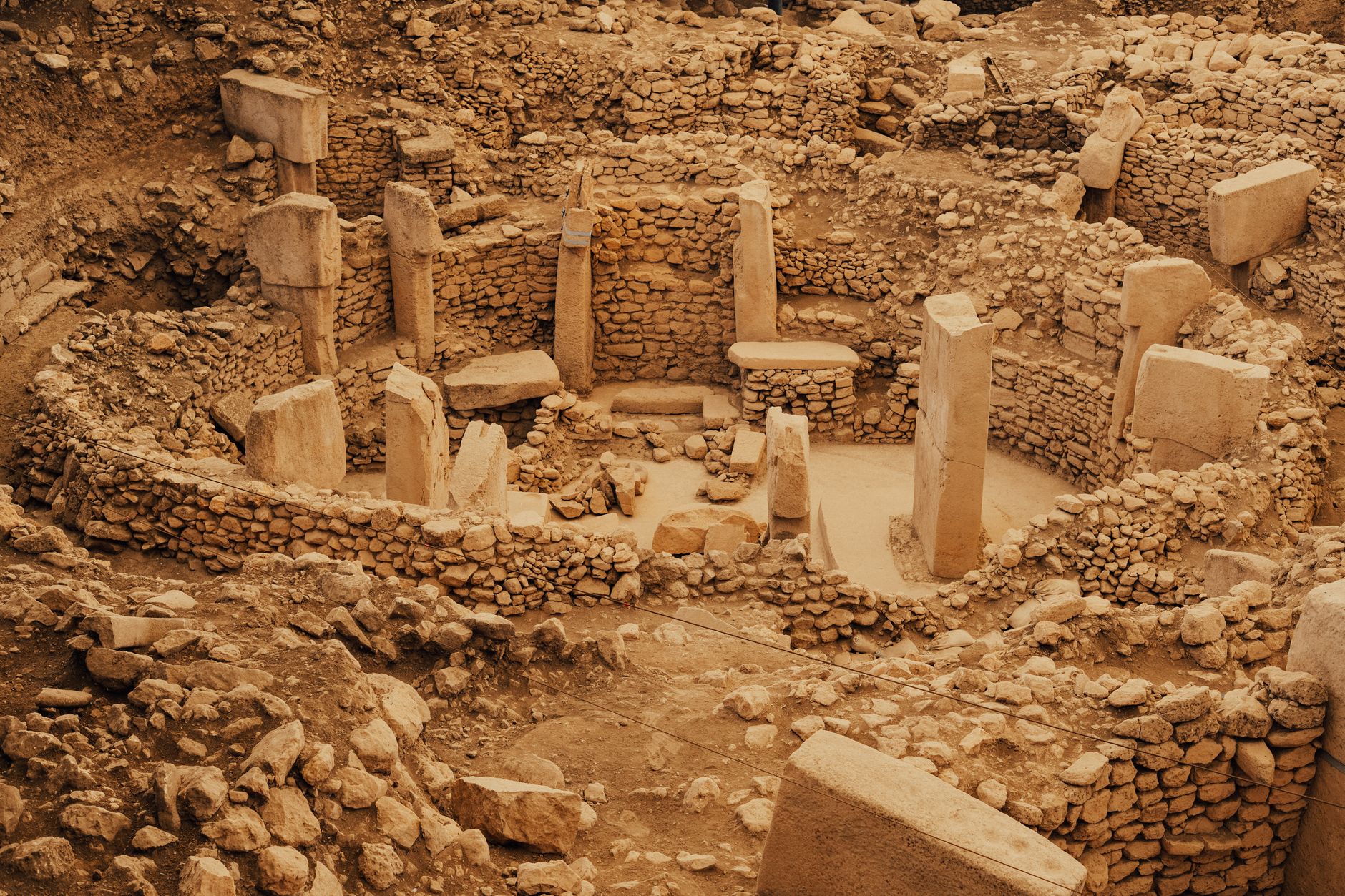
Photo by Sami Aksu on Pexels