




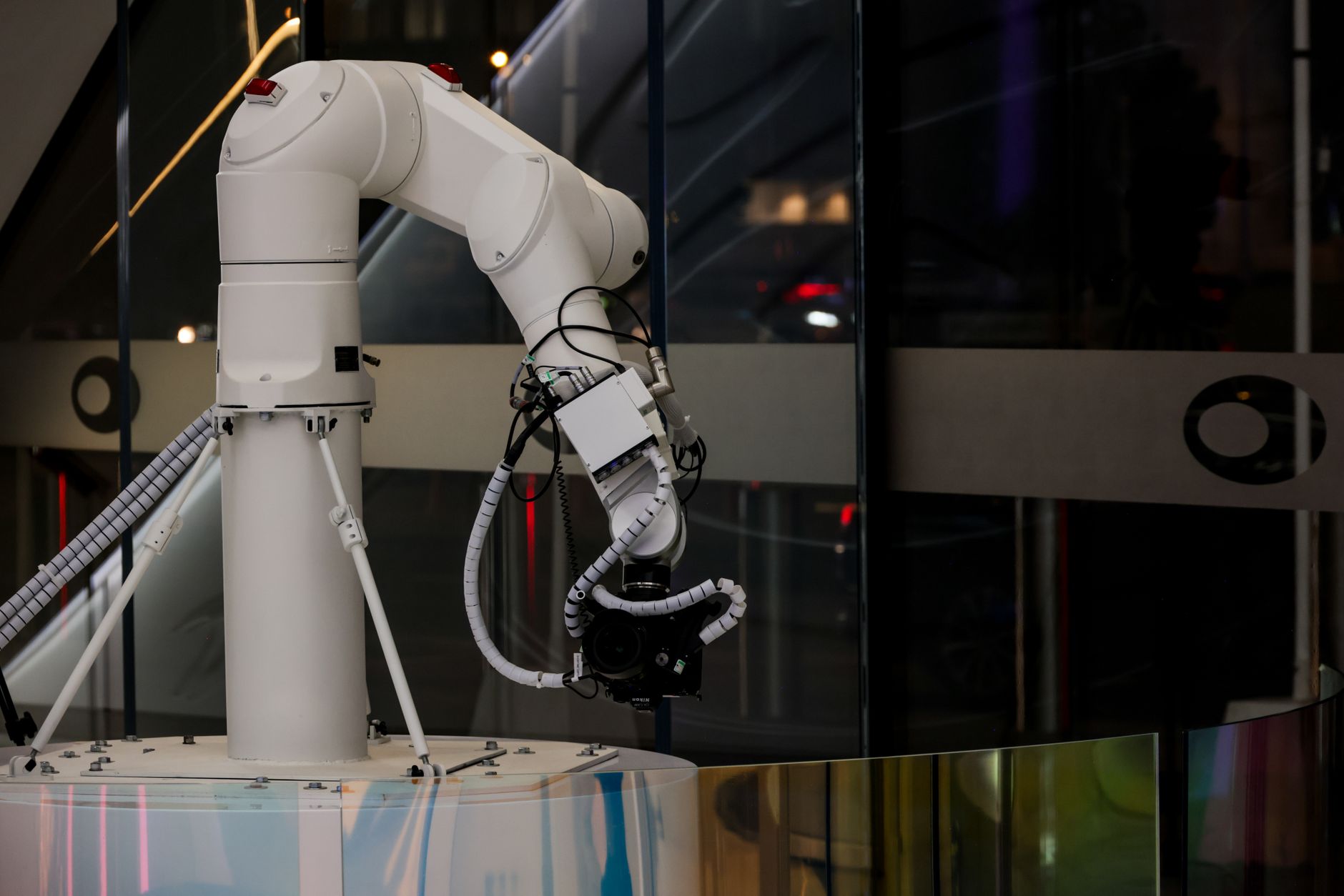
AI in health systems is set to revolutionize healthcare by 2030, according to a new Innovaccer-CHIME survey. This report highlights how early adopters of AI technologies will significantly enhance their operational efficiency.
The Impact of AI on Healthcare
The integration of AI in health systems is set to revolutionize the way healthcare is delivered, improving efficiency and patient outcomes. According to a recent survey by Innovaccer and CHIME, health systems that adopt AI technologies early are projected to accomplish three times the workload with the same number of staff by 2030.
This transformation is driven by several key factors:
- Enhanced Diagnostics: AI algorithms can analyze medical data faster than traditional methods, leading to quicker and more accurate diagnoses.
- Operational Efficiency: Automation of administrative tasks reduces the burden on healthcare professionals, allowing them to focus on patient care.
- Personalized Treatment: Machine learning models can tailor treatment plans based on individual patient data, improving overall outcomes.
- Predictive Analytics: AI can forecast patient needs and resource utilization, enabling better planning and management.
As these advancements unfold, the potential for AI to enhance health systems continues to grow.
Survey Insights from Innovaccer and CHIME
A recent survey conducted by Innovaccer and the College of Healthcare Information Management Executives (CHIME) reveals significant insights into the adoption of AI in health systems. The findings indicate that health systems that embrace AI technologies early are poised to achieve remarkable efficiency gains by 2030.
According to the survey:
- Increased Productivity: Health systems utilizing AI are projected to perform three times the amount of work with the same workforce.
- Enhanced Patient Care: AI tools are expected to streamline processes, allowing healthcare professionals to focus more on patient interactions.
- Cost Savings: Early adopters may reduce operational costs significantly while maintaining high-quality care.
These insights underscore the transformative potential of AI in health systems, highlighting that those who act now will likely set themselves apart in an increasingly competitive landscape.
Future Predictions for Health Systems
As we look towards the future, the role of AI in health systems is expected to expand dramatically. By 2030, organizations that have embraced AI technologies early are projected to enhance their operational capabilities significantly. This advancement will allow them to achieve three times the work output with the same workforce, revolutionizing the healthcare landscape.
Experts predict several key trends that will shape the future of health systems:
- Integration of AI Tools: Health systems will increasingly integrate AI tools into their daily operations, streamlining processes and improving patient care.
- Data Utilization: The ability to analyze vast amounts of data will enable more personalized treatment plans and proactive health management.
- Enhanced Decision-Making: AI will support clinicians in making quicker and more accurate decisions, reducing errors and improving patient outcomes.
Ultimately, embracing AI in health systems not only enhances efficiency but also paves the way for innovative solutions in patient care.
Challenges in AI Adoption
The integration of AI in health systems is not without its challenges. While the benefits are significant, several barriers impede the widespread adoption of AI technologies in healthcare.
- Data Privacy Concerns: The handling of sensitive patient information raises alarms about data security and privacy, leading to hesitation in the adoption of AI solutions.
- Integration with Existing Systems: Many health systems struggle to incorporate AI into their current infrastructure, resulting in compatibility issues and resistance from staff.
- Cost Implications: The initial investment required for AI technologies can be daunting, particularly for smaller health organizations with limited budgets.
- Lack of Standardization: The absence of universal standards for AI applications can create confusion and uncertainty regarding the effectiveness and reliability of these tools.
- Training and Skill Gaps: Many healthcare professionals may lack the necessary training to effectively utilize AI technologies, leading to underutilization.
Addressing these challenges is crucial for unlocking the full potential of AI in health systems.
Real-World Applications of AI
The integration of AI in health systems has led to significant advancements in various facets of patient care and operational efficiency. Real-world applications demonstrate how technology enhances healthcare delivery and management.
- Predictive Analytics: AI algorithms analyze patient data to predict health outcomes, enabling proactive interventions and personalized treatment plans.
- Administrative Automation: Tasks such as scheduling, billing, and claims processing are streamlined through AI, reducing the burden on healthcare staff and minimizing errors.
- Telemedicine Enhancements: AI-driven tools improve virtual consultations by providing real-time data analysis and patient monitoring, making remote care more effective.
- Clinical Decision Support: AI systems assist physicians in diagnosing conditions and selecting treatment options by synthesizing vast amounts of medical literature and patient history.
These applications illustrate that embracing AI in health systems not only improves operational efficiency but also enhances patient outcomes, paving the way for a more responsive healthcare environment.
Benefits of Early AI Adoption
The adoption of AI in health systems presents numerous benefits, particularly for organizations that embrace it early. By integrating AI technologies, health systems can dramatically enhance operational efficiency and patient care.
Some key advantages include:
- Increased Productivity: Early adopters are projected to accomplish three times the work with the same workforce by 2030, allowing for improved service delivery without additional strain on resources.
- Enhanced Decision-Making: AI systems can analyze vast amounts of data, providing insights that lead to better clinical decisions and personalized treatment plans.
- Cost Reduction: By streamlining processes and reducing manual workloads, health systems can lower operational costs while maintaining high-quality patient care.
- Improved Patient Outcomes: Early implementation of AI technologies facilitates timely interventions, ultimately leading to better health outcomes and increased patient satisfaction.
Overall, the strategic early adoption of AI in health systems positions organizations for long-term success and sustainability.
Photo by Magda Ehlers on Pexels