




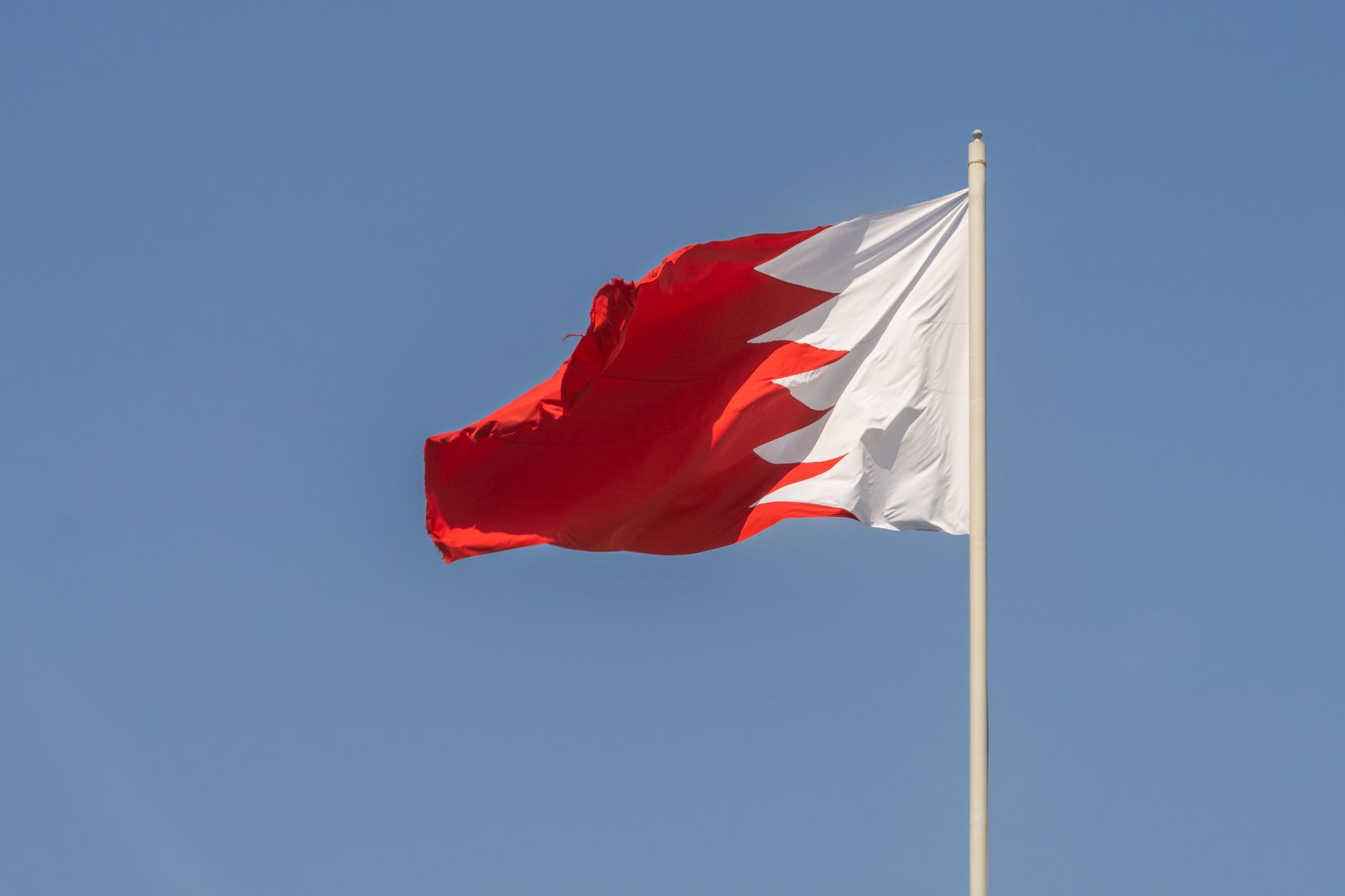
Iran targets Bahrain, marking a significant escalation in regional tensions as the country claims retaliation against U.S. actions.
Background of Iran-Bahrain Relations
The relationship between Iran and Bahrain has been marked by tension and conflict, particularly in recent years. Historically, Iran has expressed ambitions regarding its influence in the Gulf region, viewing Bahrain as part of its sphere of interest. This has led to a complex dynamic, where Bahrain, with its majority Shia population, feels the weight of Iran’s regional aspirations.
In recent months, the situation has escalated significantly. Iran targets Bahrain as part of a broader strategy to retaliate against U.S. policies in the region. The Iranian government claims that its actions are a response to perceived American interference and support for Bahrain’s Sunni-led government. This context has raised concerns about the stability of the Gulf region.
Key moments in Iran-Bahrain relations include:
- The 2011 protests in Bahrain, which saw Iran accused of supporting Shia dissenters.
- Continuous diplomatic tensions exacerbated by military posturing and accusations from both sides.
- The influence of regional powers, including Saudi Arabia, which has implications for Iran’s ambitions.
As tensions mount, the potential for further conflict remains a significant concern for both nations.
Recent Developments in the Middle East
In recent days, tensions in the Middle East have escalated as Iran targets Bahrain, marking a significant shift in regional dynamics. The Iranian government has conducted two attacks against Bahrain, which officials describe as a direct response to perceived provocations from the United States. These incidents come after months of relative calm, highlighting the fragile nature of peace in the area.
Analysts suggest that Iran’s actions may be aimed at reinforcing its influence and signaling to both domestic and international audiences. The attacks have raised concerns about the potential for broader conflict, especially given Bahrain’s close ties to the U.S. military presence in the region.
Key developments include:
- Increased military activity: Bahrain has reported heightened security measures in response to the attacks.
- U.S. response: The U.S. has condemned Iran’s actions and reaffirmed its commitment to Bahrain’s security.
- Regional implications: Neighboring countries are closely monitoring the situation, fearing a wider regional conflict.
As the situation evolves, the implications of Iran’s targeting of Bahrain are likely to reverberate throughout the Middle East.
Analysis of U.S. Foreign Policy
The recent actions by Iran, specifically its targeting of Bahrain, highlight significant implications for U.S. foreign policy in the region. Over the past few months, tensions had calmed, but the renewed aggression is seen as a clear retaliation against perceived U.S. influence and support for Bahrain.
Several factors contribute to this escalation:
- U.S. Military Presence: The ongoing U.S. military presence in the Gulf has been a longstanding point of contention for Iran, which perceives it as a threat to its sovereignty.
- Support for Allies: The U.S. has bolstered its support for Bahrain, a strategic ally, which further aggravates Iran’s stance.
- Proxy Conflicts: Iran’s involvement in proxy conflicts throughout the region, particularly in response to U.S. actions, has intensified its focus on Bahrain as a potential target.
This situation illustrates the complexities of U.S. foreign policy, where supporting allies can inadvertently provoke adversaries. As tensions rise, the implications for regional stability and U.S. interests will be closely monitored.
Impact on Regional Stability
The recent escalation of hostilities as Iran targets Bahrain has raised significant concerns regarding regional stability in the Gulf. The attacks, described by Iranian officials as retaliatory measures against U.S. actions, have prompted urgent discussions among neighboring countries about the implications for security and diplomatic relations.
Analysts warn that this renewed aggression could lead to a series of retaliatory actions, potentially escalating into broader conflicts that might draw in other regional powers. The situation is particularly precarious given Bahrain’s close ties to Saudi Arabia and the United States, both of which may feel compelled to respond to Iranian provocations.
Furthermore, the ongoing tensions could disrupt vital trade routes and impact energy markets worldwide. Key stakeholders are now faced with the challenge of navigating a landscape marked by heightened military posturing and diminished trust.
In light of these developments, regional cooperation and dialogue will be essential to prevent further destabilization. Countries in the Gulf Cooperation Council (GCC) must work collaboratively to address the threats posed by Iran’s actions, as any miscalculation could lead to a larger regional conflict, adversely affecting millions of lives.
International Reactions to Iran’s Actions
Iran’s recent actions targeting Bahrain have drawn a wave of international reactions, highlighting the geopolitical tensions in the region. Nations and organizations have expressed concern over the implications of these developments, particularly in the context of U.S. involvement in Middle Eastern affairs.
Several governments have condemned Iran’s aggressive stance, emphasizing the need for diplomatic solutions to prevent further escalation. The United States, in particular, has reiterated its support for Bahrain and its allies, warning Iran against further provocations.
Key responses include:
- Gulf Cooperation Council (GCC): The GCC has called for unity among member states to counteract Iranian threats.
- European Union: EU officials are urging all parties to engage in dialogue, stressing the importance of regional stability.
- United Nations: The UN has expressed concern over the potential for conflict, advocating for peaceful negotiations.
As international stakeholders monitor the situation, the focus remains on how Iran’s targeting of Bahrain will impact broader regional dynamics and the response from the U.S. and its allies.
Future Implications for Bahrain and Iran
The recent escalation of tensions, as Iran targets Bahrain, raises significant concerns regarding the future implications for both nations. Analysts suggest that this marked shift in Iran’s approach could lead to a more volatile regional landscape.
For Bahrain, the consequences may be profound. Increased military readiness could become a priority as the island nation seeks to secure its sovereignty against potential Iranian aggression. The government might also bolster its alliances with Gulf Cooperation Council (GCC) states and Western powers, enhancing its defense capabilities to counteract perceived threats.
On the other hand, Iran’s decision to target Bahrain could result in further isolation from the international community. The continued military actions may deepen sanctions and exacerbate its economic struggles. Additionally, Iran’s aggressive posture risks provoking a stronger response from the U.S. and its allies, potentially leading to a cycle of retaliation.
Ultimately, the unfolding situation necessitates a careful diplomatic approach. Both Bahrain and Iran must navigate this complex dynamic to avoid an escalation that could destabilize the entire region, impacting not just their bilateral relationship but broader Middle Eastern stability as well.
In recent developments, Iran targets Bahrain as part of a broader strategy to assert its influence in the region. This aggressive stance underscores the escalating tensions between Iran and U.S. allies in the Gulf.
Photo by Fadhel Madan on Pexels