




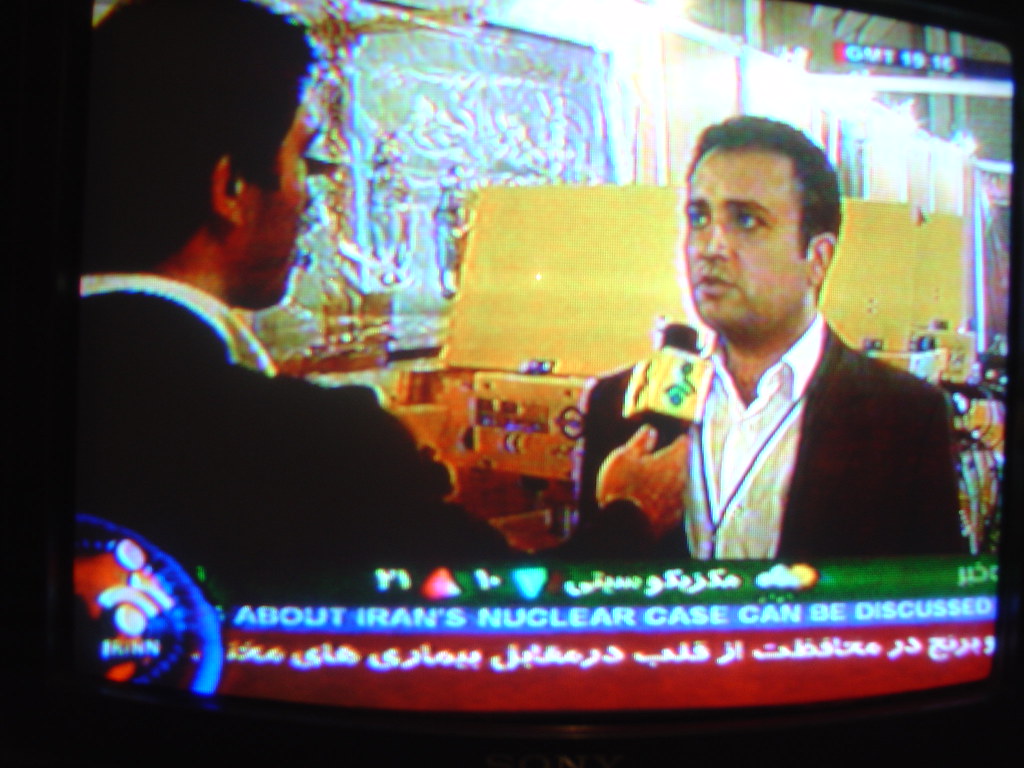
US Iran talks are at a critical juncture as Iran insists that the US must change its approach for discussions to advance. Understanding this dynamic is essential for grasping the broader implications.
The Current State of US Iran Talks
The ongoing US Iran talks have reached a critical juncture as both nations grapple with differing expectations and strategies. Recently, Iranian officials emphasized the necessity for the US to adopt a new approach if meaningful negotiations are to resume. This statement reflects a growing sentiment in Iran that the current diplomatic framework is inadequate for fostering productive dialogue.
In the context of these talks, several key issues remain unresolved:
- Nuclear Program: Iran’s nuclear ambitions continue to be a significant sticking point, with the US seeking assurances regarding Iran’s compliance with international regulations.
- Sanctions Relief: The US has imposed numerous sanctions on Iran, which Tehran argues must be lifted to create a favorable environment for negotiations.
- Regional Stability: Both countries need to address broader regional security concerns, including conflicts involving proxy groups in the Middle East.
The complexity of these issues underscores the challenge facing diplomats on both sides. Observers note that successful US Iran talks will require not only a willingness to compromise but also a strategic shift in how both nations engage with one another. As the situation evolves, the global community continues to watch closely, hoping for a breakthrough in negotiations that could pave the way for lasting peace and stability in the region.
Iran’s Demands for Negotiation
In the ongoing US Iran talks, Iran has laid out several key demands that must be addressed for negotiations to move forward. These demands reflect the complexities of the geopolitical landscape and Iran’s stance on various issues. The following points summarize Iran’s main requirements:
- Sanctions Relief: One of Iran’s primary demands is the comprehensive lifting of economic sanctions imposed by the United States. Iran argues that these sanctions have severely impacted its economy and civilian population.
- Security Guarantees: Iran seeks assurances that its national security will not be compromised in future agreements. Tehran is particularly concerned about potential military actions or threats from the US and its allies.
- Recognition of Regional Influence: Iran desires acknowledgment of its role and influence in the Middle East, which it views as essential for any lasting agreement. This includes recognizing its support for various groups in the region.
- Nuclear Program Rights: Iran insists on its right to continue its nuclear program for peaceful purposes, which remains a contentious point in discussions.
These demands illustrate the challenges faced in the US Iran talks and highlight the need for a nuanced approach that considers both parties’ concerns. As negotiations progress, the fulfillment of these demands may determine the likelihood of reaching a sustainable agreement.
Impact of US Policies on Diplomacy
The impact of US policies on diplomacy has been significant, particularly in the context of the ongoing US Iran talks. The approach taken by the US government can either facilitate constructive dialogue or lead to further tensions. A clear understanding of this impact is essential for successful negotiations.
Recent statements from Iranian officials emphasize that the US must adopt a different approach if meaningful discussions are to proceed. The following factors illustrate how US policies shape diplomatic interactions:
- Sanctions Regime: The extensive sanctions imposed on Iran have created a challenging environment for negotiations. Iran perceives these measures as aggressive, leading to a hardening of its stance.
- Military Presence: The increased US military presence in the region sends mixed signals. While it aims to deter threats, it can also escalate fears and mistrust, complicating diplomatic efforts.
- Public Messaging: The rhetoric used by US officials can greatly influence perceptions. A consistent and constructive message is crucial for building trust and fostering dialogue.
- Engagement Strategies: Historical precedents show that engagement through backchannel communications has often yielded better results than public confrontations.
Ultimately, for the US Iran talks to progress, a reevaluation of current policies may be necessary to create a conducive atmosphere for diplomacy.
Historical Context of US Iran Relations
The historical context of US-Iran relations is complex and fraught with tension. Since the 1979 Iranian Revolution, the two nations have experienced a tumultuous relationship characterized by mutual distrust and geopolitical rivalry. The US’s decision to support Saddam Hussein during the Iran-Iraq War further exacerbated tensions, leading to a significant rift that still influences interactions today.
In the years following the revolution, numerous incidents, including the hostage crisis at the US Embassy in Tehran, solidified animosity. This era marked the beginning of a long-standing policy of sanctions and isolation aimed at curtailing Iran’s influence in the region. Over the decades, various administrations have oscillated between confrontation and attempts at negotiation.
Efforts to engage in dialogue have included the Iran nuclear deal, formally known as the Joint Comprehensive Plan of Action (JCPOA), established in 2015. However, the US withdrawal from the agreement in 2018 under the Trump administration marked a significant setback, leading to increased tensions and a deteriorating situation.
As discussions continue, it is vital to understand the historical context of US-Iran relations. This knowledge can inform current negotiations, as both sides navigate their longstanding grievances and seek pathways for future cooperation. The ongoing US-Iran talks highlight the necessity for a nuanced approach to diplomacy, recognizing the weight of historical events on present circumstances.
Future Prospects for Peaceful Resolution
As the US Iran talks continue to unfold, the future prospects for a peaceful resolution remain a complex and challenging landscape. Both nations have a long history of diplomatic tension, but recent developments indicate that there is still room for constructive dialogue.
One essential factor in moving forward is the willingness of both sides to engage in open and honest discussions. Analysts suggest that a shift in the US approach could facilitate more productive negotiations. This might include:
- Increased Flexibility: The US may need to demonstrate a willingness to adjust its stance on certain sanctions to foster goodwill.
- Building Trust: Establishing confidence-building measures can pave the way for deeper negotiations, reducing hostilities.
- Collaboration with Allies: Engaging key international allies in the dialogue may provide a united front and enhance the legitimacy of the talks.
Moreover, it is crucial for both parties to understand the broader implications of their negotiations, not just for bilateral relations but for regional stability and global security. The stakes are high, and the consequences of failure could be significant.
Ultimately, the future of US Iran talks will depend on the ability of both nations to find common ground while respecting each other’s sovereignty and interests. Only through sustained effort and commitment can a lasting resolution be achieved.
In the context of US Iran talks, understanding cultural nuances can significantly enhance communication. Additionally, employing proven strategies for effective negotiation during US Iran talks can lead to more constructive outcomes.
By Ensie & Matthias via Openverse