





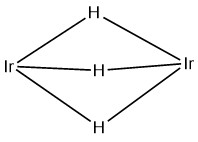
Iridium catalysts for hydrogen production are set to last longer thanks to a new method. This breakthrough could enhance the efficiency of hydrogen generation, contributing to cleaner energy solutions.
Understanding Iridium Catalysts
Iridium catalysts have emerged as a pivotal component in the production of hydrogen, significantly enhancing the efficiency of the process. These catalysts are known for their exceptional activity and stability, making them suitable for various applications in fuel cells and electrolyzers. Recent research has highlighted innovative methods to improve the longevity of iridium catalysts, addressing a key challenge in hydrogen production.
The effectiveness of iridium catalysts is largely attributed to their unique properties, which allow them to perform under harsh conditions. However, their high cost and tendency to degrade over time have limited their widespread adoption. Researchers are now focusing on several strategies to extend their lifespan, including:
- Advanced Coating Techniques: Applying protective layers to minimize degradation.
- Optimized Support Materials: Utilizing materials that enhance catalyst performance and stability.
- Tailored Synthesis Methods: Developing new approaches to create iridium catalysts with improved structural integrity.
By addressing these challenges, scientists are paving the way for more sustainable and cost-effective hydrogen production, further solidifying the role of iridium catalysts in the transition to cleaner energy sources.
The Importance of Hydrogen Production
The production of hydrogen is increasingly recognized as a critical component in the transition to sustainable energy sources. As industries seek alternatives to fossil fuels, hydrogen has emerged as a promising solution due to its potential to produce clean energy when utilized in fuel cells. The importance of hydrogen production cannot be overstated, as it plays a vital role in reducing greenhouse gas emissions and combating climate change.
One of the challenges in hydrogen production is the efficiency and longevity of the catalysts used in the process. Iridium catalysts for hydrogen have gained attention for their effectiveness in facilitating chemical reactions needed for hydrogen generation. However, traditional methods often result in rapid degradation, limiting their practical application.
Recent advancements have focused on extending the lifespan of these catalysts. Researchers have developed innovative approaches that enhance the stability and activity of iridium catalysts, enabling more efficient hydrogen production. This progress not only improves the feasibility of hydrogen as an energy source but also contributes to the overall reduction of carbon emissions, marking a significant step towards a more sustainable future.
New Method for Catalyst Longevity
Recent advancements in the field of iridium catalysts for hydrogen production have introduced a promising method aimed at enhancing their longevity. Researchers have discovered that modifying the structure of these catalysts can significantly improve their resistance to degradation during operation.
The new technique involves:
- Optimizing the support material: By selecting the right support for iridium, researchers can create a more stable environment that protects the active sites from harsh operational conditions.
- Controlling particle size: Smaller iridium particles have shown to maintain their activity over extended periods, reducing the rates of sintering and leaching.
- Implementing protective coatings: Applying specific coatings can shield iridium catalysts from detrimental interactions, thereby prolonging their effective lifespan.
These innovations not only enhance the effectiveness of iridium catalysts for hydrogen but also contribute to more sustainable hydrogen production methods. As the demand for clean energy sources grows, improving the durability of these catalysts is crucial for optimizing their use in fuel cells and other applications.
Impact on Sustainable Energy
The development of iridium catalysts for hydrogen production has significant implications for sustainable energy. As the world increasingly shifts towards renewable sources of energy, the efficiency and longevity of these catalysts become crucial. The new method for enhancing the durability of iridium catalysts not only promises to reduce costs but also improves overall energy output.
With a more resilient catalyst, the production of hydrogen can become more efficient, supporting a broader implementation of hydrogen fuel in various sectors, including transportation and industrial processes. This shift could lead to a decrease in reliance on fossil fuels, resulting in lower carbon emissions and a smaller environmental footprint.
Moreover, the enhanced lifespan of these catalysts allows for less frequent replacements, which can significantly lower operational costs for producers. As a result, the economic viability of hydrogen as a clean energy source becomes more attainable.
In summary, the advancements in iridium catalysts not only contribute to more sustainable hydrogen production but also align with global efforts to transition towards cleaner energy solutions. This innovation could play a pivotal role in shaping the future of energy consumption.
Future of Hydrogen Technologies
The future of hydrogen technologies looks promising, particularly with advancements in iridium catalysts for hydrogen production. As the global demand for clean energy sources grows, the need for efficient and durable catalysts has never been more critical. Researchers are focusing on improving the longevity and effectiveness of these iridium-based catalysts, paving the way for more sustainable hydrogen production methods.
One key area of development involves enhancing the stability of iridium catalysts under operational conditions. This not only increases the lifespan of the catalysts but also reduces the overall cost of hydrogen production. As these technologies evolve, several factors will shape their success:
- Innovation in materials: Ongoing research aims to discover new materials that can complement iridium, improving performance.
- Scalability: Ensuring that these catalysts can be produced at scale is essential for widespread adoption.
- Integration with renewable energy: Combining iridium catalysts with renewable energy sources will enhance the sustainability of hydrogen production.
As iridium catalysts for hydrogen continue to develop, they hold the potential to significantly impact the energy landscape, driving a shift towards greener technologies.
Conclusion and Implications
In conclusion, the advancements in iridium catalysts for hydrogen production represent a significant leap forward in sustainable energy technology. The new method described not only enhances the longevity of these catalysts but also paves the way for more efficient hydrogen production processes. As the world continues to seek cleaner energy solutions, the implications of this innovation are profound.
The increased durability of iridium catalysts could lead to reduced operational costs and improved overall efficiency in hydrogen production facilities. With hydrogen being a key player in the transition to renewable energy, the ability to utilize these catalysts for extended periods will likely encourage wider adoption of hydrogen technologies.
Moreover, as industries shift towards greener practices, the role of iridium catalysts will become increasingly critical. It is essential to continue research in this area to further enhance their performance and explore potential applications beyond hydrogen production.
Ultimately, the development of more resilient iridium catalysts not only supports the hydrogen economy but also contributes to the global efforts in combating climate change, making it a crucial area of focus for scientists and engineers alike.
Recent studies have demonstrated that Iridium catalysts for hydrogen can significantly enhance the efficiency of fuel cells. By optimizing the composition and structure of these Iridium catalysts for hydrogen, researchers aim to extend their lifespan and performance in various applications.
By Chemistryproject via Openverse