









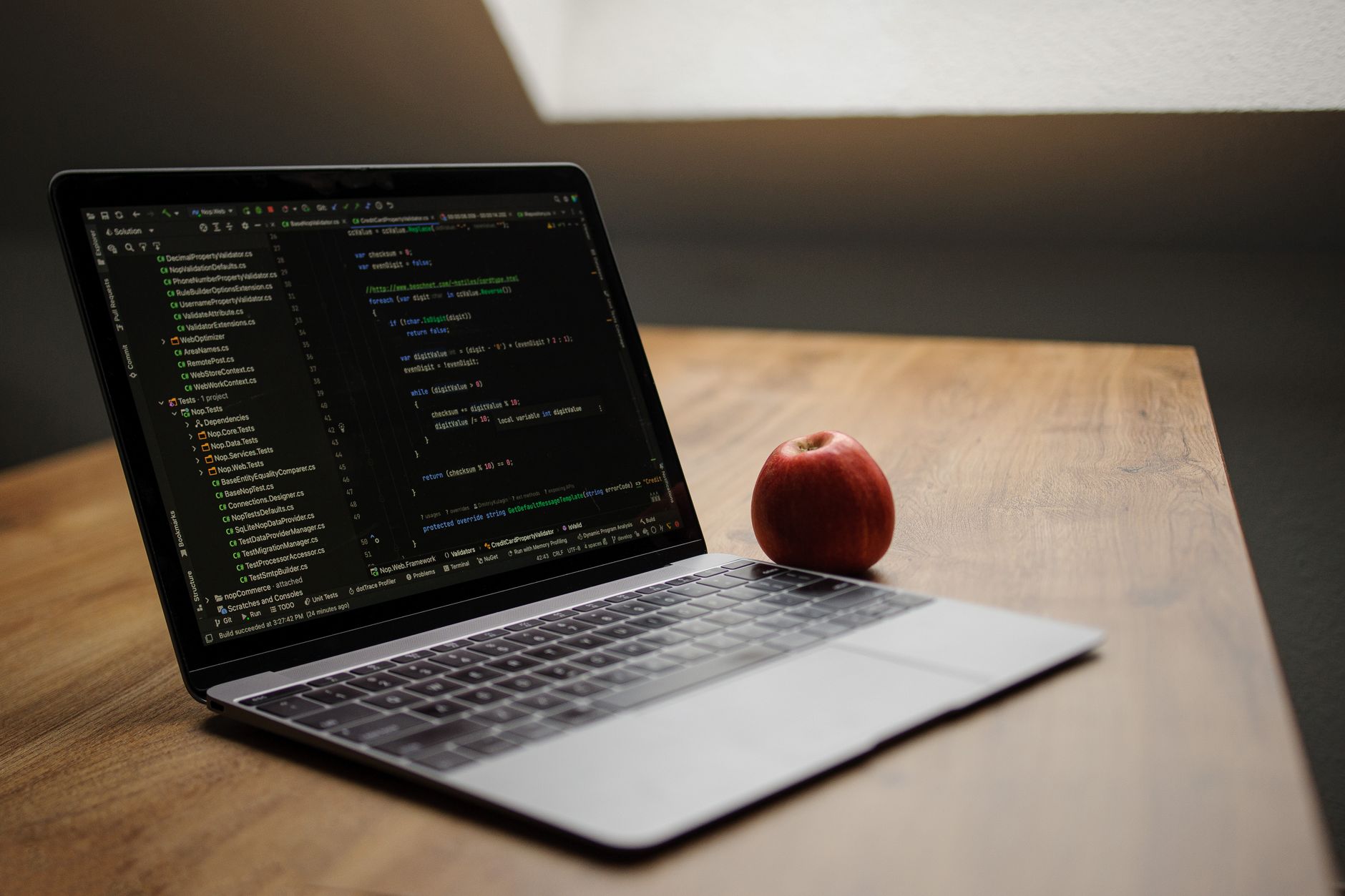
Apple developer changes are causing frustration among users. As the tech giant rolls out new features, many customers are expressing their dissatisfaction with the latest updates.
What Are the Recent Apple Developer Changes?
In recent months, Apple has implemented a series of developer changes that have raised concerns among its user base. These adjustments primarily aim to streamline app creation and enhance user experience. However, many customers feel that some of these modifications have resulted in unwanted outcomes.
Among the most notable changes is the introduction of a new policy that affects how developers access user data. While Apple argues that this move enhances privacy, users have expressed frustration over the increased difficulty in managing their app settings. Customers report that they now encounter more prompts and permissions requests than ever before, leading to a cumbersome experience.
Additionally, Apple has revised its App Store guidelines, which have caused confusion within the developer community. Many developers are struggling to adapt to these new rules, and this has led to delays in app updates and releases. Consequently, users are left waiting for important features and improvements.
Furthermore, some of the Apple developer changes include an overhaul of the subscription model, which has resulted in higher costs for users. This has sparked dissatisfaction among customers who feel that they are being pushed to pay more for services they previously enjoyed at a lower price.
As Apple continues to evolve its development ecosystem, the impact of these changes on user satisfaction remains a critical concern.
Customer Reactions to Apple’s Updates
As Apple unveils its latest developer changes, customer reactions have been mixed, with many expressing frustration over the new features. Users have taken to social media to voice their concerns, highlighting specific aspects that they find particularly unfavorable.
- Increased Subscription Costs: Many customers are upset about the rise in subscription fees for apps, which they attribute to the changes implemented by Apple. Users feel that the added costs do not correspond with significant improvements in app functionality.
- Complex App Interfaces: Several users have reported that the new updates have made app interfaces more confusing. Customers are struggling to navigate apps that have become cluttered with additional features that they do not find useful.
- Frequent Updates: Some individuals have criticized the frequency of updates, stating that they disrupt their user experience. Customers are frustrated by constantly having to adjust to new layouts and settings.
- Privacy Concerns: With the emphasis on data collection, users are worried that their privacy may be compromised. The perception that Apple’s developer changes prioritize profit over user safety is a significant concern.
Overall, these reactions signify a disconnect between Apple and its customer base, as many feel that the recent developer changes do not align with their needs and preferences.
How Apple is Addressing Developer Concerns
In response to the backlash from users regarding the recent Apple developer changes, the company has taken steps to address concerns raised by both developers and customers alike. Understanding the importance of a seamless user experience, Apple is implementing several initiatives aimed at improving app performance and user satisfaction.
One of the primary strategies Apple is employing is enhancing communication channels between developers and the company. By establishing a dedicated feedback portal, developers can voice their concerns and suggestions directly, ensuring that their input is considered in future updates. This initiative aims to create a more collaborative environment where developers feel heard and valued.
Additionally, Apple has committed to providing more comprehensive resources and training for developers. This includes:
- Workshops focused on best practices for app design and functionality.
- Documentation that outlines new features and how to implement them effectively.
- Regular updates on any changes to policies or guidelines that may affect app development.
Furthermore, Apple is exploring ways to simplify the app approval process, aiming to reduce the time developers spend waiting for approvals. By addressing these key areas, Apple hopes to not only improve the developer experience but also enhance the overall satisfaction of its customers.
The Impact on User Experience
The recent Apple developer changes have sparked significant debate about their effect on user experience. Many customers have reported frustration with the modifications, particularly in how apps function and interact with users. This shift has led to a growing concern that the changes may prioritize developer flexibility over customer satisfaction.
One of the most notable impacts of these updates is the way they alter the interface and functionality of popular applications. Users have expressed dissatisfaction with features that seem less intuitive or more cumbersome than before. Key areas of concern include:
- Increased complexity: Many users feel that the new navigation structures make it harder to find essential features.
- Reduced efficiency: Tasks that previously took moments to complete now require more steps, leading to user frustration.
- Inconsistent experiences: As developers implement changes at different paces, users encounter varying functionalities across similar apps.
While Apple aims to support developers with these updates, the feedback from the customer base suggests that the balance between innovation and usability is currently off-kilter. As these changes continue to roll out, it remains to be seen how Apple will adapt its approach to ensure a more user-friendly experience in the future.
Comparing Apple’s Changes to Competitors
As Apple implements its latest developer changes, it’s essential to examine how these modifications stack up against other tech giants in the industry. While Apple has a loyal customer base, recent updates have sparked significant controversy, leading many users to voice their concerns.
In contrast, companies like Google and Microsoft have adopted more flexible policies that tend to favor both developers and users. Here are some key differences:
- Revenue Sharing: Google Play offers a more favorable revenue-sharing model for developers, allowing for greater profitability compared to Apple’s stringent guidelines.
- User Experience: Microsoft has focused on creating a seamless integration of apps within its ecosystem, often minimizing the friction that users face when navigating app stores.
- Transparency: Competitors have been more transparent about their algorithms and app approval processes, which fosters a sense of trust among developers and users alike.
While Apple emphasizes security and quality control through its developer changes, this approach may inadvertently alienate its user base. Many customers appreciate convenience and flexibility, attributes that competitors are currently capitalizing on. This disparity raises questions about whether Apple can maintain its competitive edge in a rapidly evolving market.
What Developers Need to Know
As Apple continues to roll out its latest updates, developers must stay informed about the recent Apple developer changes to navigate the evolving landscape effectively. Understanding the implications of these changes is crucial for maintaining a competitive edge in the app marketplace.
One significant aspect to keep in mind is the enhanced focus on user privacy and data protection. Developers are encouraged to implement stronger security measures, which may require updates to existing applications. While this aligns with customer expectations, it can also mean additional work for developers.
Moreover, with the introduction of new guidelines and policies, developers need to pay close attention to compliance. Failure to adhere to these regulations could lead to app rejections or removals from the App Store. This is particularly critical given that the stakes are higher than ever in maintaining a presence in a saturated market.
Additionally, developers should be aware of the increased competition from other platforms. As Apple implements new features, it is essential to differentiate their applications and enhance user experience. This is especially important as customer reactions indicate a growing frustration with some of the updates.
In summary, staying updated on Apple developer changes is vital for developers aiming to adapt and thrive in this rapidly changing environment. Being proactive can mitigate potential pitfalls and help ensure long-term success.
Future Outlook for Apple Updates
As Apple continues to evolve its platform, the future outlook for Apple updates appears both promising and challenging. The recent Apple developer changes have sparked a mixed bag of reactions from both developers and users alike. While the company aims to enhance functionality and user experience, there are concerns about the implications of these updates on the overall ecosystem.
In the coming months, Apple is expected to refine its approach based on feedback from the development community and consumer reactions. Many anticipate that Apple will prioritize transparency and user control in future releases. This could mean more customizable options for users and clearer guidelines for developers, ensuring that both parties feel heard and valued.
Furthermore, Apple’s commitment to staying competitive in the tech landscape suggests that its updates will also focus on integrating emerging technologies. As user preferences shift, Apple may explore features that enhance accessibility and personalization, addressing some of the negative feedback received from customers.
Ultimately, the direction Apple takes with its developer policies will be crucial. A successful balance between innovation and user satisfaction will determine the company’s standing in the market. Stakeholders are hopeful that Apple will adapt quickly to meet the demands of a rapidly changing digital environment.
Many users are voicing their frustration over the recent Apple developer changes, which they believe have negatively impacted the overall user experience. These Apple developer changes have sparked a heated debate among loyal customers who feel their feedback is being ignored.
Photo by Daniil Komov on Pexels