





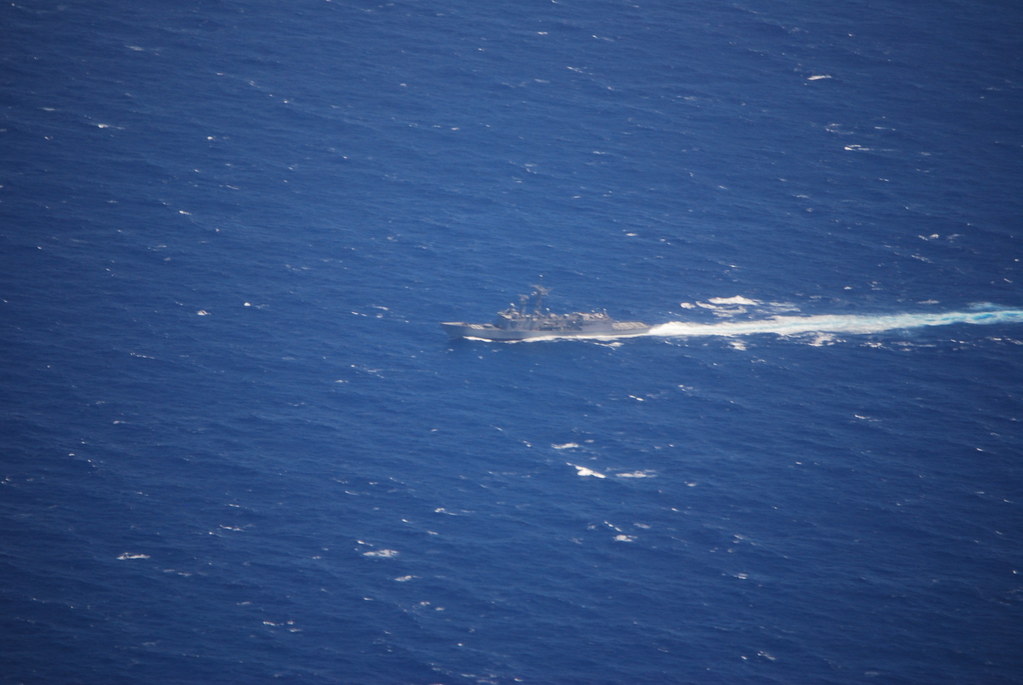
Strait of Hormuz tankers have been reportedly damaged overnight, highlighting ongoing tensions in this critical shipping lane. The incident raises alarm over maritime security.
What Happened in the Strait of Hormuz?
Overnight, the situation in the Strait of Hormuz escalated dramatically as reports emerged of significant damage to seven tankers. The incidents occurred in one of the world’s most crucial maritime corridors, raising concerns about maritime security and the potential for further escalation in the region.
According to sources, the damage was attributed to a series of mysterious explosions that rocked the vessels while they were anchored. Eyewitness accounts describe a scene of chaos as crews rushed to assess the damage and ensure the safety of everyone on board.
Authorities are currently investigating the circumstances surrounding the incidents, with speculation about the involvement of hostile actors in the region. The Strait of Hormuz is vital for global oil supply, and any disruption could have far-reaching implications for energy markets worldwide.
In light of these events, shipping companies are urged to exercise heightened caution while navigating the strait. The international community is closely monitoring the situation, and calls for a thorough investigation are growing. As the situation develops, more information is expected to emerge, shedding light on the safety of maritime operations in the area.
Impact on Global Oil Supply
The recent damage to several tankers in the Strait of Hormuz has raised significant concerns regarding the global oil supply. This strategic waterway is crucial for the transportation of oil, with approximately 20% of the world’s oil passing through its narrow passage.
With seven tankers reportedly damaged overnight, experts fear that this incident could lead to disruptions in oil shipments. The impact on oil prices is already being felt, as markets react to the potential for decreased supply.
Key factors contributing to the situation include:
- Increased shipping costs: Insurance premiums for tankers traversing the Strait of Hormuz may rise sharply, leading to higher overall transportation costs.
- Potential for escalation: If tensions continue to escalate in this volatile region, additional military presence may be required, further complicating shipping routes.
- Market volatility: Traders are closely monitoring developments, as any prolonged disruption could lead to significant fluctuations in oil prices worldwide.
The coming days will be critical in determining the long-term effects on both the Strait of Hormuz tankers and the global oil market.
Strait of Hormuz tankers: What to Expect Next
As the situation unfolds in the Strait of Hormuz, experts are closely monitoring the implications for international shipping and energy supplies. With seven tankers reportedly damaged overnight, stakeholders are bracing for potential disruptions in maritime operations.
In the coming days, several key developments are anticipated:
- Increased Naval Presence: Nations may bolster their naval forces in the region to ensure the safety of shipping lanes and deter further incidents.
- Diplomatic Efforts: Governments are likely to engage in urgent discussions to address the situation and prevent escalation, focusing on maintaining open navigational routes.
- Insurance and Liability Issues: The damage to the Strait of Hormuz tankers could lead to higher insurance premiums for shipping companies, affecting operational costs.
- Market Reactions: Traders are expected to react to the news, with potential fluctuations in oil prices as concerns about supply disruptions arise.
As events develop, the international community will be keenly watching how this situation evolves and what measures will be taken to safeguard maritime security in one of the world’s most critical waterways.
Historical Context of Maritime Incidents
The Strait of Hormuz has long been a critical artery for global oil transportation, making it a hotspot for maritime incidents. Over the past few decades, tensions in the region have escalated, often resulting in attacks on tankers and other vessels. This strategic waterway, which connects the Persian Gulf to the Arabian Sea, sees nearly a third of the world’s oil trade transit through its narrow passage.
Historically, the Strait of Hormuz tankers have faced various threats ranging from piracy to military confrontations. In the 1980s, during the Iran-Iraq War, numerous tankers were attacked as both nations sought to disrupt each other’s oil exports. More recently, incidents involving drone strikes and missile attacks have raised alarms regarding the safety of maritime operations in the area.
These repeated incidents not only put crews and vessels at risk but also have a profound impact on global oil markets, creating volatility and uncertainty. As the latest reports indicate damage to seven tankers overnight, analysts stress the need for enhanced security measures to protect this vital shipping lane and ensure the uninterrupted flow of oil worldwide.
Reactions from Shipping Companies
Shipping companies are expressing deep concern following the overnight incidents involving tankers in the Strait of Hormuz. In a joint statement, several industry leaders emphasized the need for enhanced security measures to protect vessels navigating this critical waterway.
According to Maritime Safety International, the damage reported on seven tankers is unprecedented in recent years. An executive from the company noted, “The Strait of Hormuz is vital for global trade, and these incidents highlight the vulnerabilities we face.”
- Global Shipping Alliance: “We urge governments to take immediate action to safeguard maritime routes.”
- TransOcean Shipping Co.: “Our top priority is the safety of our crews and ships operating in the Strait of Hormuz.”
- International Maritime Organization: “Coordination among nations is crucial to maintaining safe passage for all tankers.”
The response from shipping companies underscores a collective anxiety about the implications of further disruptions in the Strait of Hormuz. As the situation develops, industry stakeholders are closely monitoring the safety protocols and potential impacts on shipping routes.
Government Responses and Actions
In the wake of the reported damage to seven tankers in the Strait of Hormuz, government officials from various nations have begun to respond. The incident has raised significant concerns regarding maritime safety and global oil supply stability.
Several governments are convening emergency meetings to assess the situation and formulate an appropriate response. Key actions being considered include:
- Increased Naval Presence: Countries with interests in the region are discussing deploying additional naval assets to ensure safe passage for commercial vessels.
- Diplomatic Engagement: Officials are reaching out to regional partners to discuss collective security measures aimed at protecting Strait of Hormuz tankers.
- Investigation Initiatives: A coordinated investigation into the causes of the tankers’ damage is being proposed, focusing on potential threats from hostile actors.
Public statements from various leaders emphasize the importance of safeguarding critical maritime routes to prevent disruptions in oil supplies. As tensions escalate, the international community is closely monitoring developments, with calls for restraint and diplomacy echoing across the globe.
The recent attacks have raised serious concerns about the safety of Strait of Hormuz tankers navigating the region. Maritime experts warn that the escalating tensions could lead to further incidents involving Strait of Hormuz tankers in the coming days.
By wbaiv via Openverse