








frontline city Ukraine is currently facing severe devastation as Russia intensifies its military efforts. This article explores the dire circumstances and the human stories behind the headlines.
Overview of the Frontline City
The ongoing conflict in Ukraine has brought devastating consequences to its frontline cities, with one city exemplifying the worst impact of war. This frontline city Ukraine has become a stark reminder of the human cost of military aggression and territorial disputes.
As reports emerge from the region, the destruction is evident in various aspects of daily life:
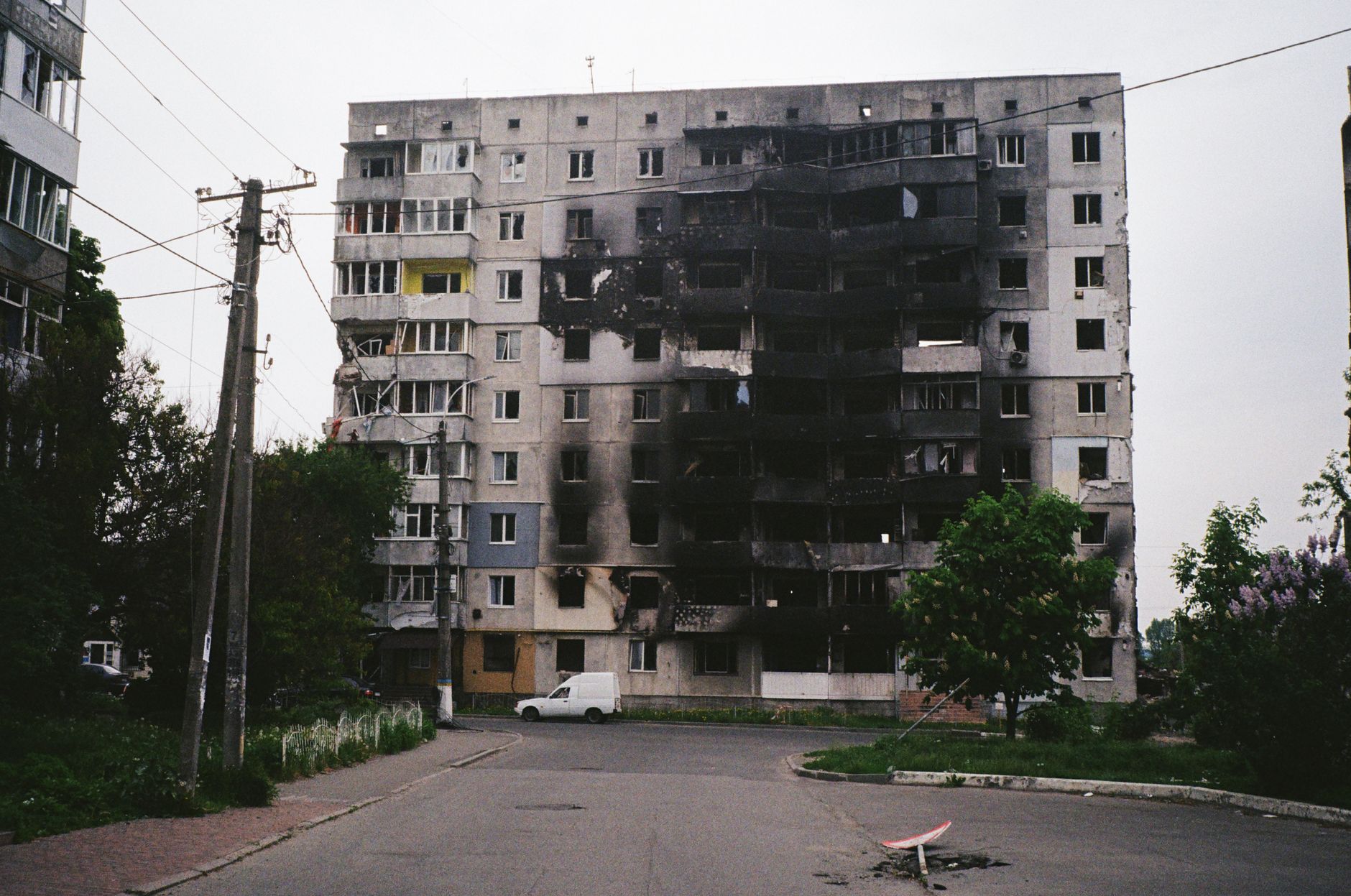
- Infrastructure Damage: Numerous buildings, including homes, schools, and hospitals, have been reduced to rubble, leaving residents without essential services.
- Displacement: Thousands of families have been forced to flee, seeking refuge in safer areas, while those who remain grapple with the constant threat of violence.
- Psychological Impact: The trauma experienced by the inhabitants is profound, with many suffering from anxiety, depression, and post-traumatic stress disorder due to ongoing shelling and instability.
Despite the dire circumstances, the resilience of the residents shines through as they adapt to their new reality, emphasizing a strong sense of community and hope for a peaceful future.
Historical Context of the Conflict
The ongoing conflict in Ukraine has deep historical roots, shaped by a complex interplay of politics, culture, and territorial disputes. The frontline city Ukraine has become emblematic of the struggle, witnessing not only the devastating effects of war but also the resilience of its inhabitants.
Initially, tensions escalated in 2014 when Russia annexed Crimea, leading to a breakdown in relations between Ukraine and Russia. This act was perceived as a violation of Ukraine’s sovereignty, igniting a conflict that has engulfed various regions, including the frontline city.
Since then, the frontline city Ukraine has faced relentless bombardments and military engagements, resulting in significant loss of life and infrastructure. The local population has endured severe hardships, including:
- Displacement from homes and communities
- Access to basic necessities like food, water, and medical care
- Psychological trauma from the constant threat of violence
As the international community watches closely, the frontline city remains a poignant symbol of the broader geopolitical struggle and the urgent need for a peaceful resolution.
Impact on Local Civilians
The impact on local civilians in the frontline city of Ukraine has been devastating. As the conflict continues, the everyday lives of residents have been profoundly altered.
Many families have been forced to evacuate, leaving behind their homes and businesses. Those who remain face constant threats to their safety and well-being. The psychological toll of living under the shadow of war is immense, with many experiencing anxiety and trauma.
Essential services have been disrupted, leading to significant challenges in accessing basic needs. The following points highlight some of the major impacts on civilians:
- Displacement: Thousands have fled the area to seek refuge elsewhere, often in overcrowded conditions.
- Infrastructure Damage: Homes, schools, and hospitals have been destroyed or severely damaged, making daily life increasingly difficult.
- Food Security: Supply chains have been interrupted, leading to shortages and rising prices for basic necessities.
- Healthcare Access: Medical facilities are under strain, struggling to provide care amid ongoing violence.
The situation in this frontline city of Ukraine is a stark reminder of the human cost of conflict.
International Response to the Crisis
The international response to the crisis in the frontline city Ukraine has been marked by a mix of condemnation and support for affected civilians. As the conflict escalates, various nations and organizations have stepped up their efforts to provide humanitarian aid and military assistance to Ukraine.
Countries across Europe and North America have pledged to send supplies, including food, medical equipment, and shelter materials. Humanitarian organizations are working tirelessly to deliver crucial support to the millions displaced by the ongoing violence.
Key responses include:
- Financial Aid: Substantial financial commitments have been made to bolster Ukraine’s economy and support recovery efforts.
- Military Support: Several nations have agreed to supply advanced weaponry to help Ukraine defend its territories.
- Sanctions on Russia: A series of sanctions have been implemented against Russian officials and industries to pressure the government to cease its aggression.
Despite these efforts, the situation remains dire in the frontline city Ukraine, as local communities face daily threats to their safety and well-being. The international community continues to call for a peaceful resolution to the conflict.
Future Prospects for the City
The future prospects for the frontline city Ukraine are uncertain as the conflict continues to evolve. Despite the ongoing challenges, local leaders and residents are determined to rebuild and restore their community. Key factors influencing the city’s future include:
- Infrastructure Rehabilitation: A comprehensive plan is needed to repair damaged buildings and essential services, which could take years and significant funding.
- Economic Revitalization: Efforts to revive local businesses and attract investment are crucial for long-term sustainability and job creation.
- Community Resilience: The spirit of the residents remains strong, with many actively participating in grassroots initiatives to foster unity and support.
- International Aid: Continued support from international organizations and governments will play a vital role in providing the necessary resources for recovery.
As the situation develops, the frontline city Ukraine stands at a crossroads, balancing the desire for peace with the realities of ongoing conflict. The collective efforts of its citizens, along with external assistance, will determine the trajectory of recovery and hope for a brighter future.
Personal Stories from Residents
Residents of the frontline city Ukraine have begun to share their harrowing experiences amidst the ongoing conflict, revealing the profound impact of war on their daily lives.
Many families have experienced loss, both in terms of loved ones and their homes. One resident, Olena Petrenko, recounted the day her house was destroyed by shelling, leaving her and her children to seek refuge with neighbors. “We never thought this could happen to us. We just want to live in peace,” she said, reflecting the sentiment of many.
Others have faced the psychological toll of constant fear and uncertainty. Viktor Ivanov, a local teacher, shared his struggle to maintain a sense of normalcy for his students. “Every day is a challenge. We hold classes in the basement, trying to keep their spirits up, but it’s hard,” he noted.
Despite the devastation, the community remains resilient. Maria Kovalenko, a shopkeeper, emphasized the importance of supporting one another: “We are all in this together. We must keep hope alive for our city and its future.”
These personal stories illuminate the harsh realities faced by those living in this frontline city Ukraine.
Analysis of Military Strategies
The ongoing conflict in the frontline city Ukraine has led to a complex interplay of military strategies that are shaping the course of the war. Analysts have noted several key approaches employed by both sides, which significantly impact the urban landscape and civilian life.
Defensive Strategies: Ukrainian forces have fortified positions within the city, utilizing the existing infrastructure to create strongholds. This approach aims to minimize casualties while maximizing the effectiveness of limited resources.
Offensive Tactics: Conversely, Russian military operations have focused on aggressive maneuvers, attempting to encircle and isolate the city. This strategy not only seeks to weaken Ukrainian resolve but also aims to exert psychological pressure on the local population.
Both sides are adapting their tactics in response to real-time developments on the ground:
- Utilization of Drones: Surveillance and targeted strikes have become commonplace.
- Urban Warfare: The close-quarters combat in the city has led to high civilian casualties.
- Logistical Challenges: Supply lines are constantly being disrupted, affecting troop movements.
As the situation evolves, the military strategies in this frontline city Ukraine will continue to play a crucial role in determining the outcome of the conflict.
Photo by Mykhailo Volkov on Pexels