








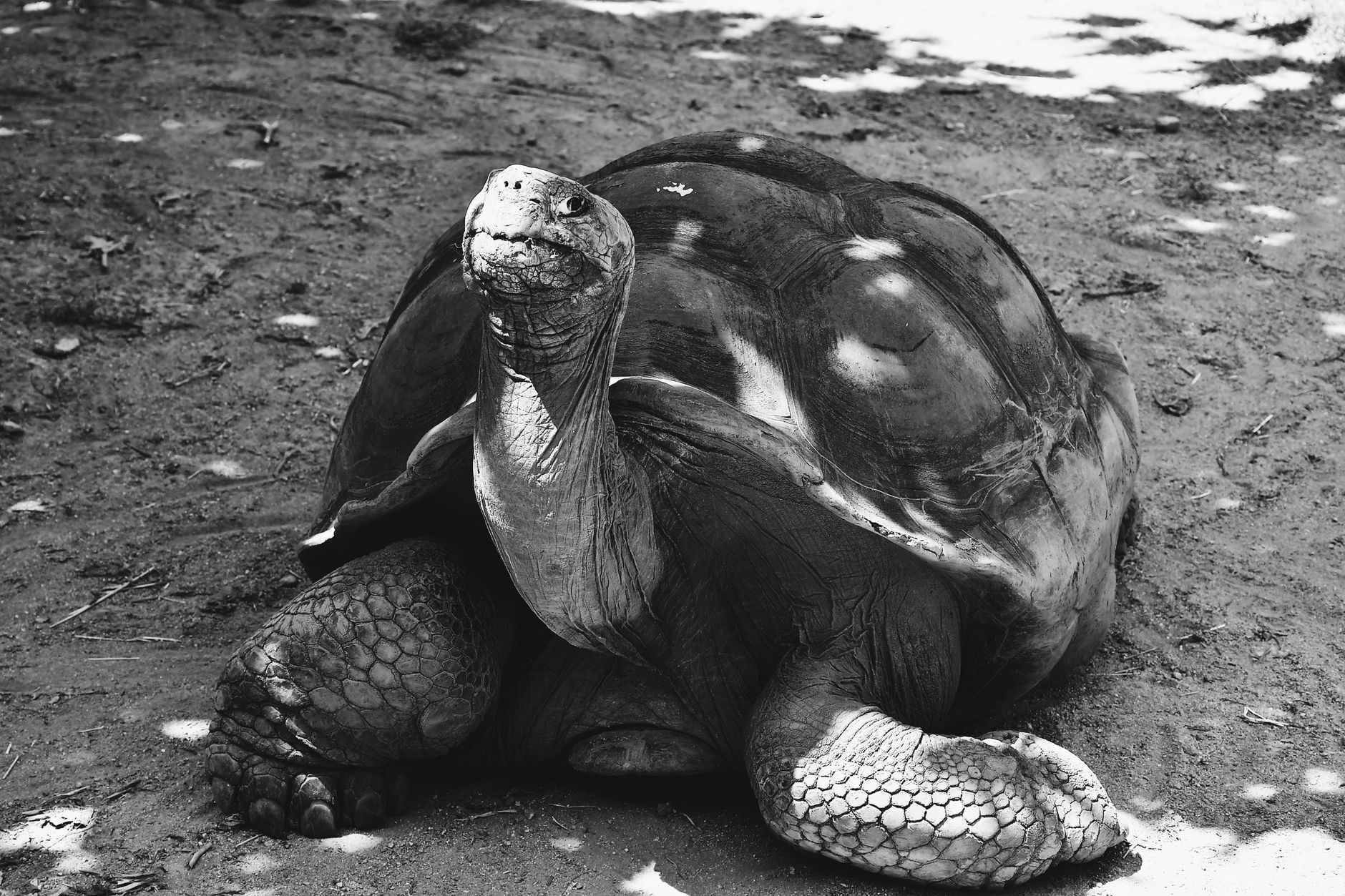
Jonathan the Giant Tortoise is a fascinating example of aging gracefully. At 194 years old, he offers unique insights into the secrets of longevity.
The Life of Jonathan the Giant Tortoise
Jonathan the Giant Tortoise, believed to be the oldest known living land animal, has captivated the world with his remarkable journey through nearly two centuries of life. Born in the year 1832, he resides on the remote island of Saint Helena in the South Atlantic Ocean. His age is not just a number; it tells a story of resilience and adaptation in a changing world.
Throughout his long life, Jonathan has witnessed significant historical events and transformations. From the Victorian era to the digital age, his existence has spanned across various societal changes. Despite the challenges that come with age, Jonathan continues to thrive, serving as a symbol of longevity and patience.
His diet mainly consists of grass, fruits, and vegetables, contributing to his health and vitality. Observers often note his unique personality traits, showcasing a gentle demeanor and a keen curiosity about his surroundings. Jonathan’s daily routine includes basking in the sun and interacting with his caretakers, who have dedicated themselves to ensuring his well-being.
As a creature of great historical significance, Jonathan the Giant Tortoise offers us valuable insights into the secrets of aging gracefully. His life serves as a reminder of the enduring beauty of nature and the importance of conservation efforts to protect such magnificent beings.
Understanding Aging in Tortoises
Understanding aging in tortoises requires a look at the unique biological processes that govern their longevity. Tortoises, including Jonathan the Giant Tortoise, exhibit a remarkable lifespan, often living well over a century. This longevity is influenced by various factors, including genetics, environment, and metabolic rates.
One of the most intriguing aspects of tortoise aging is their slow metabolic rate. Unlike many other animals, tortoises do not rush through life. Their bodies are designed to conserve energy, which contributes to their extended lifespan. This slow metabolism allows them to thrive in environments where food may be scarce, as they can sustain themselves on minimal resources.
Additionally, tortoises have developed a unique ability to repair cellular damage, a key factor in aging. Studies have shown that the cells of tortoises exhibit lower levels of oxidative stress compared to other species. This resilience may provide insights into the aging process not only in tortoises but across different organisms.
Moreover, the social behavior of tortoises can also play a role in their aging. Living in a stable environment with minimal threats allows them to lead a stress-free life. Understanding these factors not only sheds light on the life of Jonathan the Giant Tortoise but also offers valuable lessons on aging in general.
Remarkable Longevity of Jonathan
Jonathan the Giant Tortoise, who resides on the remote island of Saint Helena, has become a symbol of remarkable longevity. At the incredible age of 194, he is not only the oldest known tortoise but also the oldest living land animal in the world. His long life has sparked intrigue and admiration among scientists and animal enthusiasts alike.
One of the secrets to Jonathan’s longevity may lie in his natural habitat and diet. Unlike many of his counterparts in captivity, Jonathan enjoys a diet rich in leafy greens, fruits, and vegetables, which contributes to his overall health. Furthermore, the relatively low-stress environment on Saint Helena allows him to live a more relaxed life, free from the pressures faced by many other animals.
Scientists have been studying Jonathan’s unique genetics and physiology to understand the aging process better. His resilience and vitality at such an advanced age suggest that there may be factors at play that could influence longevity in other species, including humans.
As experts continue to research the biology of aging, Jonathan the Giant Tortoise stands as a living testament to the fascinating possibilities of a long life, showcasing the intricate balance between genetics, environment, and lifestyle in the quest for understanding aging.
Lessons from a 194-Year-Old
At 194 years old, Jonathan the Giant Tortoise offers invaluable lessons about aging that resonate beyond the animal kingdom. As one of the oldest living terrestrial animals, his life serves as a testament to resilience and adaptability.
One of the most significant lessons we can learn from Jonathan is the importance of a balanced diet. His diet primarily consists of fresh greens, fruits, and vegetables, which are essential for maintaining health and vitality. Additionally, staying active is crucial; Jonathan frequently roams his habitat, which helps keep his mind and body engaged.
Social interaction also plays a key role in his longevity. Jonathan enjoys the company of his caretakers and visitors, highlighting the importance of companionship in sustaining mental health. This observation suggests that nurturing relationships can contribute to a longer, happier life.
Furthermore, Jonathan exemplifies the benefits of a stress-free environment. Living on the island of Saint Helena, he enjoys a peaceful habitat that minimizes stressors common in modern life. This serenity may significantly contribute to his remarkable longevity.
In conclusion, the life of Jonathan the Giant Tortoise teaches us that aging gracefully involves a combination of proper nutrition, physical activity, social connections, and a tranquil environment. His journey serves as an inspiration for all, reminding us that age is just a number.
The Science Behind Aging
The phenomenon of aging has fascinated scientists for centuries, and Jonathan the Giant Tortoise serves as an extraordinary case study in this realm. While the typical lifespan of many tortoise species ranges from 50 to 100 years, Jonathan’s remarkable longevity of 194 years raises intriguing questions about the biological mechanisms that govern aging.
Researchers have identified several factors that contribute to the extended lifespan of tortoises like Jonathan:
- Metabolism: Tortoises possess a slow metabolic rate, which may reduce the wear and tear on their cells, allowing them to live longer.
- Cellular Repair: The ability to effectively repair cellular damage is crucial, and tortoises show remarkable efficiency in this process.
- Genetics: Genetic factors play a significant role in longevity, with certain genes linked to slower aging and enhanced health.
- Environmental Factors: Living in a stable environment with minimal stressors contributes to their overall well-being and longevity.
Studying Jonathan the Giant Tortoise not only helps scientists understand the biology of aging but also offers insights into potential applications for human health and longevity. As research continues, the secrets of aging revealed through Jonathan may lead to breakthroughs in promoting healthier, longer lives for all species.
Conservation Efforts for Tortoises
Conservation efforts for tortoises have gained significant momentum in recent years, particularly as species face threats from habitat loss, climate change, and poaching. Jonathan the Giant Tortoise, as one of the oldest known living land animals, serves as a symbol for the urgent need to protect these remarkable creatures.
Several organizations are dedicated to the conservation of tortoise populations worldwide. Their efforts include:
- Habitat Restoration: Many projects focus on restoring natural habitats that have been degraded by human activity, ensuring that tortoises have safe environments to thrive.
- Captive Breeding Programs: These initiatives aim to breed tortoises in controlled environments and release them into the wild, helping to bolster dwindling populations.
- Public Awareness Campaigns: Educating communities about the importance of tortoises to ecosystems and the threats they face encourages local stewardship and support for conservation efforts.
- Research and Monitoring: Scientific research on tortoise health and behavior helps inform effective conservation strategies, while monitoring populations ensures that trends can be identified and addressed promptly.
By highlighting the significance of tortoises through figures like Jonathan the Giant Tortoise, conservationists hope to inspire action that will safeguard these ancient mariners for future generations.
Photo by Cyril Caiazzo on Pexels
Where this came from
You might also like
School Assembly News: Best National and International Updates · Mirror Image Molecules: Best Proven Discoveries in Chemistry · Purifying water using light: Simple proven methods